🛡️ Financial Security Service
Emergency Fund Strategy
Build a financial safety net that protects you and your family when life throws the unexpected your way — in Israeli shekels, built for Israeli life.
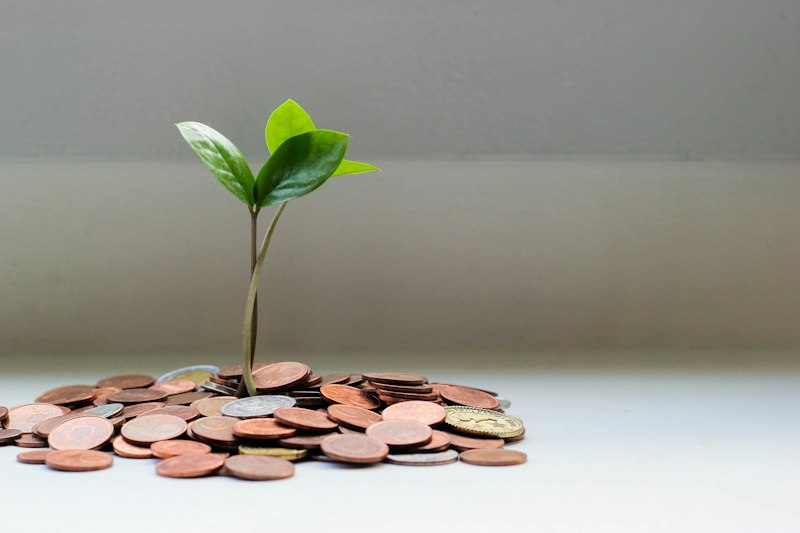
Build a financial safety net that protects you and your family when life throws the unexpected your way — in Israeli shekels, built for Israeli life.
The 3-to-6 month guideline isn't arbitrary — it reflects the average length of an involuntary job search in Israel, the typical recovery time after a medical event, or the window needed to reorganize your finances following a major life disruption like divorce or aliyah adjustment.
Here's the logic: most fixed financial obligations — rent, childcare, insurance, loan repayments — don't pause just because your income does. Three months covers short-term setbacks. Six months gives you a true buffer for longer transitions without raiding long-term investments at the worst possible time.

Separate your fixed costs from variable spending to find your true monthly burn rate in shekels.
Fill in your Israeli monthly costs
₪ per month
₪ per month average
₪ per month
₪ per month
₪ per month
₪ per month
₪ per month
Add % on top for unexpected costs — 15–25% is typical
3 months = minimum, 6 = comfortable, 12 = extra secure
Fixed Monthly Costs ₪ 0
+ Variable Buffer ₪ 0
× Months Coverage × 6
Total Target ₪ 0
Your emergency fund needs to be accessible but not too accessible. Here are the main Israeli options ranked by trade-off.
Best for: Most people — first stop
A regular savings or checking account at your Israeli bank (e.g., Leumi, Hapoalim, Discount). Not the highest returns, but instant access and no penalties.
Best for: Funds you want slightly locked away
Kranot (term deposits) at your bank offer slightly higher interest rates in exchange for locking money for 3, 6, or 12 months. You can ladder multiple deposits for partial liquidity.
Best for: Slightly higher yield with same-week access
Israeli money market funds (keren memshal) invest in short-term government and corporate debt. They offer better returns than savings accounts while typically allowing redemption within 1–5 business days.
Best for: Structuring deposits automatically
Many Israeli banks offer a Tmura (savings plan) or automatic savings account where you set standing orders. Great for building discipline. Funds are held in the bank's savings pool with decent liquidity.
You don't need a huge salary to build a meaningful emergency fund — you need a system.
Set a standing order on the 1st of every month moving a fixed amount (even ₪200–₪300) from your checking to a dedicated savings account. Automation removes the temptation to spend it. You'll be surprised how fast it builds when you don't see it as available cash.
Many Israeli banks offer a "round-up" feature: every purchase rounds up to the nearest ₪10 or ₪50 and deposits the difference into savings. A ₪12.90 coffee becomes ₪13 saved. It adds up to hundreds of shekels a month without you noticing.
Go through your apartment systematically — clothes you haven't worn in two years, electronics gathering dust, furniture you replaced. Post them on Yad2 or Facebook Marketplace. A single successful sale of unused furniture can add ₪500–₪3,000 to your fund in a weekend.
When you receive a bonus, a tax refund, a gift, or any unexpected income — resist the urge to spend it. Route 50–100% directly into your emergency fund. You didn't plan on having it, so you won't miss it for living expenses.
Review your monthly direct debits. Cancel one streaming service, pause a gym membership you don't use, or downgrade a phone plan. Even cutting ₪50–₪100/month compounds into ₪600–₪1,200/year going directly into your safety net.
If you're serious about building fast, temporarily shift your budget: 50% to needs, 30% to wants, and 20% to savings (emergency fund first, then investments). Once your fund is at target, revert to your normal split. The temporary sacrifice accelerates your timeline dramatically.
Even well-intentioned savers fall into these patterns. Don't be one of them.
The whole point of an emergency fund is that it's there when markets are down. If your entire safety net drops 30% during a market crash just when you lose your job, you've defeated the purpose. Keep it in cash or cash-like instruments.
If your emergency fund is on a debit card you use for daily spending, it will slowly disappear into lifestyle creep. Keep it in a separate account — ideally one with a slightly slower transfer process (1 business day) so you have to think before you touch it.
Life changes. If you get a raise, have a child, move to a more expensive city, or take on a mortgage — your emergency fund target should grow too. Review it annually or after any major life event.
A ₪500 buffer isn't an emergency fund — it's a cup of coffee fund. Build until you reach at least one month of real expenses. Even ₪8,000–₪10,000 handles most Israeli emergencies (car repairs, medical deductible, short-term job gap) without touching investments.

Money researchers call it "financial cushion" — and the data is striking. People with 3+ months of expenses saved report significantly lower stress levels, better sleep quality, and more assertive salary negotiation because they aren't desperate to keep any single job at any cost.
In Israel specifically, where the cost of living in the center of the country is high, job transitions can be abrupt, and the bureaucratic systems (Bituach Leumi, Histadrut, bank red-tape) take time to navigate — having your own liquid buffer means you're never forced into a bad decision under pressure.
An emergency fund isn't just math. It's the difference between facing a crisis as a survival situation versus an inconvenience. It gives you options — the option to leave a toxic workplace, to take time to find the right role, to handle a medical situation without panic.
"Peace of mind isn't having everything under control. It's knowing you can handle whatever isn't."
Book a one-on-one strategy session and get a personalized plan — from calculating your real target to choosing the right Israeli savings vehicle for your situation.
🛡️ Build Your Emergency Fund — Book Now ✦